Possible directions
Acceleration and mass–velocity relations; galaxy and cluster mass profiles; strong-lensing constraints; and mock-data studies of inference bias.
For students
I welcome conversations with motivated students interested in observational astrophysics, galaxy dynamics, gravitational lensing, or careful statistical inference.
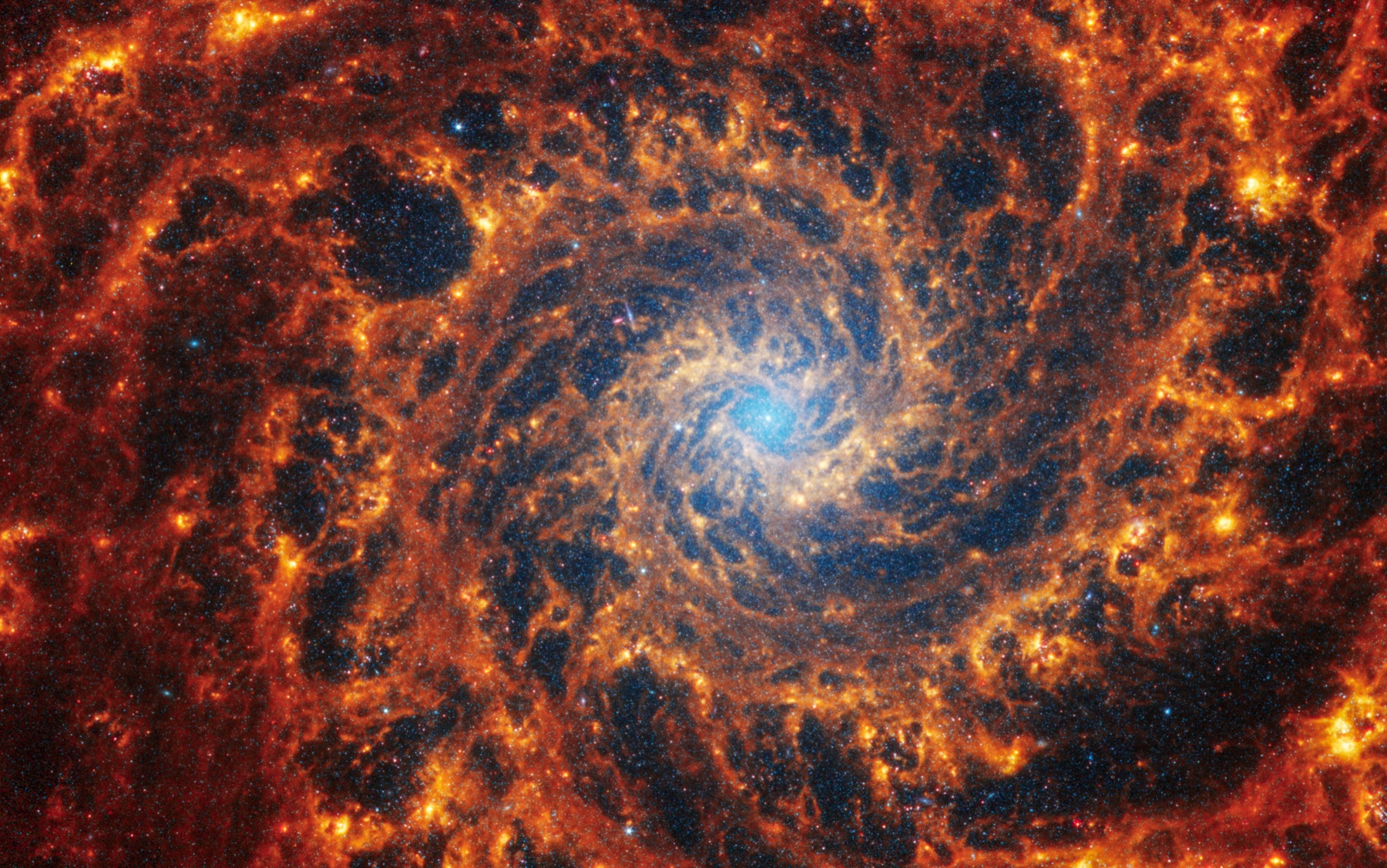
Start with a question
You do not need to arrive with a complete research plan. A good starting point is curiosity about one observation—and a willingness to test the assumptions connecting data to interpretation.
Begin a conversation →Acceleration and mass–velocity relations; galaxy and cluster mass profiles; strong-lensing constraints; and mock-data studies of inference bias.
A foundation in mechanics, electromagnetism, statistics, and programming is helpful. Curiosity, careful reasoning, and willingness to test assumptions matter most.
Send a short introduction describing your background, the question that interests you, and what you hope to learn. Formal positions and funding depend on current availability.
Write to Yong →Before you write
Teaching & mentoring